
ACL Physiotherapy & Rehabilitation in Christchurch
Specialising in ACL injury treatment — surgical and non-surgical rehabilitation pathways — from initial assessment through to return to sport or full function.
An ACL injury is serious. The road back — whether that's through surgery or a conservative rehabilitation programme — is long, structured, and requires the right clinical support at every stage.
You First Physio is an ACC Integrated Care Pathway (ICP) provider, offering fully funded rehabilitation for eligible patients across our Christchurch clinics. There is no patient surcharge for treatments once accepted onto the ICP pathway.
What is an ACL injury?
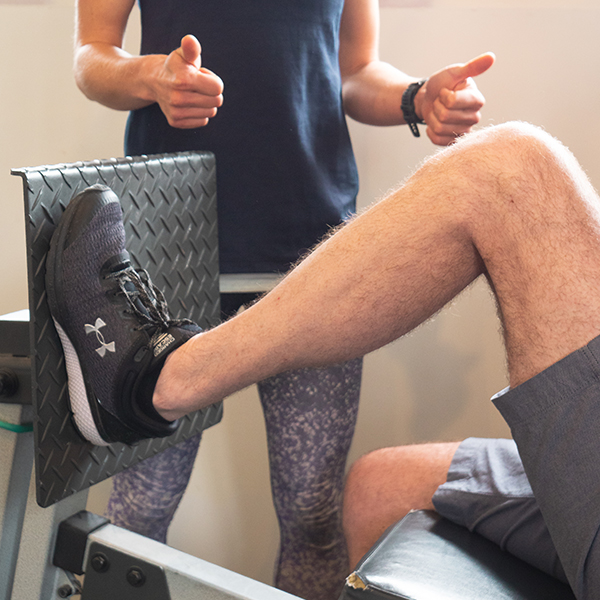
The ACL (anterior cruciate ligament) is one of the key ligaments that stabilises your knee joint. An ACL injury — often a partial or complete tear — typically happens during sudden twisting, pivoting, or landing movements in sport.
It's one of the most common serious knee injuries, and while painful, it is treatable through structured rehabilitation, with or without surgery.


ACL Injury Treatment Options — Surgery vs Conservative Rehabilitation
Not every ACL injury requires surgery. The right treatment pathway depends on several factors: the severity of your injury, your activity goals, any associated injuries (such as meniscal tears), and your individual circumstances.
At You First Physio, we offer both surgical and conservative (non-surgical) rehabilitation pathways under the ACC Integrated Care Pathway programme. The decision about which pathway is right for you will be made through thorough assessment and discussion with your clinical team (including sports doctor and or surgeon) — taking into account imaging, functional testing, and what you want to achieve in your recovery.
Some people with ACL injuries are able to return to full function through a structured physiotherapy programme without surgery. Others will need surgical reconstruction followed by rehabilitation. Both pathways are evidence-based, milestone-driven, and designed to get you back to your goals safely.
The key difference isn't just whether you have surgery — it's ensuring you follow the right rehabilitation programme for your injury and your objectives, with the right clinical support at every stage.
How Long Does ACL Recovery Take?
ACL recovery timelines depend on your treatment pathway and your activity goals.

If you're managing your ACL injury without surgery, expect a structured rehabilitation programme of 6 to 9 months.
The timeframe depends on your goals — returning to recreational activity versus competitive sport. Progression is milestone-based: you advance when you've met the functional criteria, not when a set time has passed.
The full journey from injury through ACL reconstruction surgery to return to sport is typically 9 to 12 months. This includes:
- Prehabilitation (4–6 weeks pre-surgery): Physiotherapy to reduce swelling, restore movement, and strengthen the knee before your operation
- Early post-surgery (0–3 months): Protecting the graft, regaining range of motion, and beginning controlled strengthening
- Strength-building phase (3–6 months): Progressive gym-based strengthening and controlled loading
- Return-to-sport preparation (6–9+ months): Sport-specific drills, plyometrics, and meeting objective return-to-play criteria
Most people aren't cleared to return to pivoting sports until at least 9 months post-surgery — and 12 months is often safer. Return-to-sport criteria typically require no more than 10% side-to-side strength difference, confirmed through objective testing.
Milestone-based rehabilitation
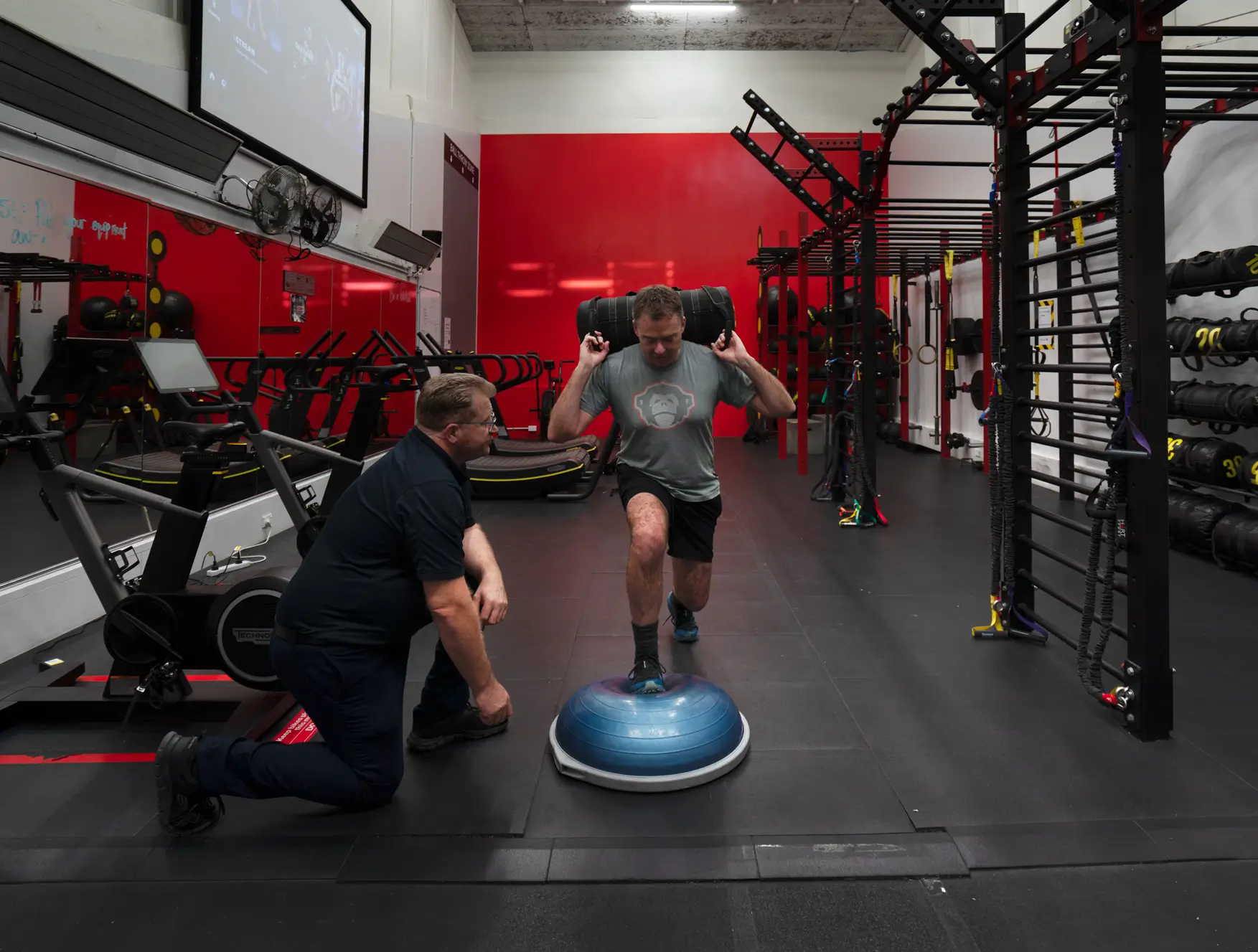
At each stage of the rehabilitation programme, you'll need to meet specific functional criteria before progressing to the next phase.
This is how the programme is designed — you advance when your body is ready, not when a timeframe dictates.
For ACL rehabilitation, these milestones are precise.
Return-to-sport criteria, for example, typically require no more than a 10% difference in strength between the injured and uninjured limb — a standard that needs to be objectively measured, not estimated.

VALD objective strength testing
At our Riccarton and Longhurst clinics, we use VALD force plate and dynamometry technology to provide accurate, objective measurements at key stages of your rehabilitation. Rather than relying on clinical impression alone, VALD testing gives both patient and clinician concrete data — including limb symmetry indices, force production values, and side-to-side comparisons — to confirm whether you've genuinely met the milestones required and are safe to progress.
For ACL rehabilitation specifically, this kind of objective data is particularly valuable in the later stages of the programme, when the difference between "almost ready" and "actually ready" is meaningful — both for the safety of your return to sport and for your confidence in it.
VALD Strength & Movement Testing
Am I eligible for ACC-covered ACL rehabilitation?
To be eligible for the ICPMSK programme which covers ACL rehabilitation, ACC's criteria require that:
- You have a musculoskeletal injury in the knee — for example, a ruptured ACL
- The injury occurred within the last 12 months at the time of referral
- The injury is likely to require specialist oversight and interdisciplinary treatment
- You plan to reside in New Zealand for the duration of your recovery
How do I get referred?
Your Physio, GP, another health provider, your employer, or ACC can refer you to an ICPMSK provider. You First Physio is an approved ICPMSK provider. If you've injured your ACL or sustained a serious knee injury and aren't sure whether you're eligible or how to access the programme, contact us and we can help guide you through the process.
Note: if your injury occurred at work and your employer is an ACC Accredited Employer, different rules may apply. Your GP or ACC can advise.
Book an appointment
What to expect
Once referred into the ICPMSK programme, you'll be contacted by our team and taken through an initial assessment. This assessment covers your injury, any existing imaging, and your personal circumstances and goals — to confirm the programme is the right fit and to begin building your rehabilitation plan.
You'll be assigned an ICP Navigator who will be your primary point of contact throughout the programme — coordinating your treatment, keeping your GP and ACC informed, and helping you access any additional support you need along the way.
If you are off work due to your injury, you will also be offered assistance in managing your safe return to full work hours and duties. One of our team (Nigel or Renee) will assist with this vocational support as part of your ICP rehabilitation. This will involve meeting with you and your manager at work to determine tasks of your work and how best to return you to those duties in a safe and timely manner.
What our patients say
Very helpful in getting me back on track
The front desk staff were incredibly friendly and welcoming, which immediately put me at ease. My physiotherapist, Allison, has been wonderful—knowledgeable, supportive, and very helpful in getting me back on track. Highly recommend!
Mike
Very helpful getting me through my recovery
I suffered an ACL injury and had to go through surgery and rehab. I worked with Jack at Riccarton and he was very helpful with getting me through my recovery. I’m about 7 months post operation and I feel like I’m getting closer to where I want to be, and all credit can go to Jack. I would highly recommend going with YouFirst if you have suffered any injury as everyone there are such lovely people, which helped motivate me through the process.
Zahran Hidayat
Great individualised exercise programmes
Knowledgeable, efficient and effective physiotherapists at You First. Great individualised exercise programmes as follow up, and there's a gym onsite if required. I definitely recommend them.
Margaret Ingram
ACL Rehabilitation appointment costs
ACC-funded treatment
If your injury was caused by an accident, ACC may cover part of your treatment cost. You'll pay a patient co-payment per appointment.
Initial appointment
45 minutes
$57
(concession $52)
Follow-up appointment
30 minutes
$49
(concession $44)
Private treatment
For injuries not caused by an accident, standard physiotherapy fees apply.
Initial appointment
45 minutes
$112
(concession $107)
Follow-up appointment
30 minutes
$87
(concession $82)
Questions about costs before you book? Call your nearest clinic, we're happy to help.
ACL Rehabilitation FAQs
Yes. Under the ICPMSK programme, ACC has removed the patient surcharge for treatments — including physiotherapy. You will not be charged a surcharge for sessions delivered under this programme. There will be pay a co-payment until you are formally accepted onto the pathway. This may be 1-3 sessions depending on the complexity and time frames for being assessed and approved onto the pathway.
Not necessarily. The ICPMSK programme supports both conservative (non-surgical) and surgical rehabilitation pathways. The right approach for your injury will be determined through assessment and advice from your physio, sports doctor and/or surgeon.. Some ACL injuries are well managed without surgery; others require it. Your clinical team will work through this with you.
For the surgical pathway, the full programme from injury to return to sport or full function is typically 9 to 12 months. The conservative pathway varies depending on the individual and their goals. Progression is milestone-based — you advance when you've met the criteria for the next phase, not on a fixed calendar.
To access the fully funded ICPMSK programme, you need a referral from a physio, GP, health provider, employer, or ACC. If you've been injured and haven't been referred yet, contact us — we can advise on next steps and help facilitate the process. If you're booking a standard physiotherapy appointment for an ACL injury outside of the ICPMSK programme, you can book online directly.
VALD strength and movement testing is available at our Riccarton and Longhurst clinics and may be used at key milestones in your rehabilitation to provide objective measurement of your progress. Discuss this with your physio as part of your assessment and programme planning.
Book your ACL Rehabilitation appointment
Book an initial appointment at your nearest clinic — online in minutes, or give us a call. Our 45-minute initial appointments are available across all five of our Christchurch clinics, and online booking is available at all locations.